
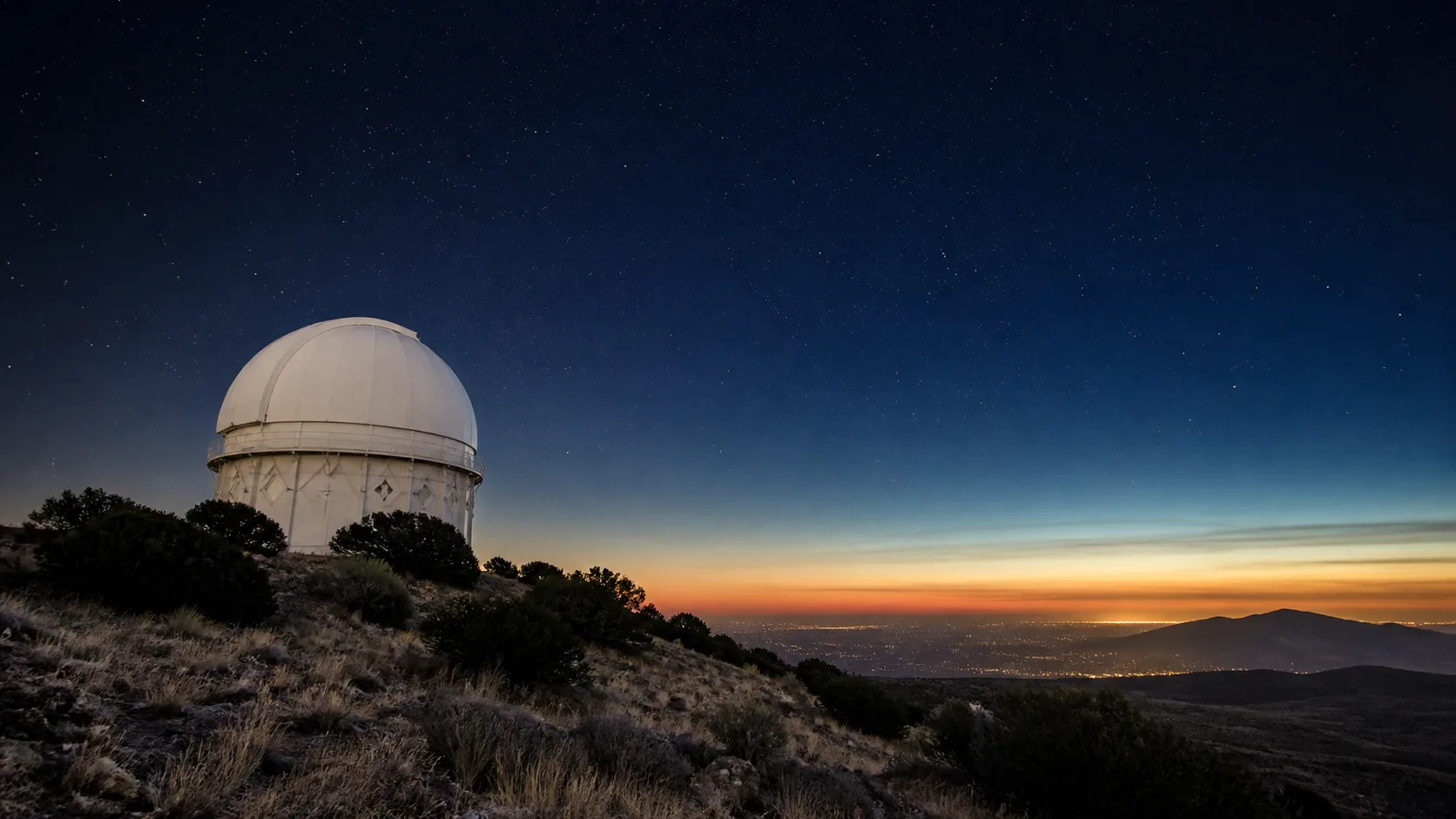
Everything is busy, noisy, and bright. Most of us do not notice the night changing because it happens a little at a time.
Darkness is a living resource
Natural darkness helps migrating birds navigate, gives nocturnal wildlife the conditions it evolved to use, and supports human circadian rhythms. It is also part of our shared culture: the same constellations have carried stories between generations for thousands of years.
The problem is not light. It is wasted light.
Light pollution comes from illumination that is too bright, poorly aimed, unnecessarily blue, or left on when nobody needs it. Shielded fixtures, warmer color temperatures, sensible timers, and lighting only what is needed can reduce the glow without making communities less safe.
There is reason for hope
Unlike many forms of pollution, wasted light can be corrected immediately. A fixture aimed downward changes the sky the moment it is installed. Communities, parks, observatories, and households can all take part.